



Retail store

Industries

SAP Cloud ERP for retail

Thousands of products, stores and channels all meet in SAP, and peak season leaves no room for a shaky system. TSP helps retailers move to S/4HANA on a plan that protects the holidays, and automates the supplier and finance work behind the shelves.

Still on IS-Retail? What changes in S/4HANA

Retailers run SAP for merchandise management, replenishment, pricing and the finance behind every sale. The Silicon Partners (TSP), an SAP Gold Partner and UiPath Diamond Partner, helps retailers move from SAP ECC and IS-Retail to S/4HANA around their peak season, and automates supplier onboarding, invoices and month-end close with AI agents.

  • 200+S/4HANA engagements
  • 1,000+Professionals
  • 1,200+Intelligent automations

What we hear

What makes SAP different in retail

  • Peak season with no slack

    Holiday and promotional peaks that rule out risky system changes for months at a time.

  • Huge product ranges

    Thousands of articles and variants, each with prices, suppliers and store assortments to keep right.

  • Stores and ecommerce together

    Point-of-sale, ecommerce and marketplace sales that all need to reach SAP the same day.

  • Replenishment that keeps up

    Store and distribution center replenishment that responds to sell-through and promotions.

  • Pricing and markdowns

    Price changes and markdowns across channels, with margins that move with every change.

  • Suppliers and invoices

    Supplier onboarding, purchase orders and invoices arriving in every format.

Customer stories

How retailers work with TSP

Merchandiser reviewing footwear and apparel samples with a tablet in a product sample room

Retail · Global apparel, footwear and accessories company · Global

90%regression automation coverage at SIT exit

TSP ARIA and TSP Test Miner powered 8,000+ regression test cases, with 90% regression automation coverage at SIT exit.

Read the full story
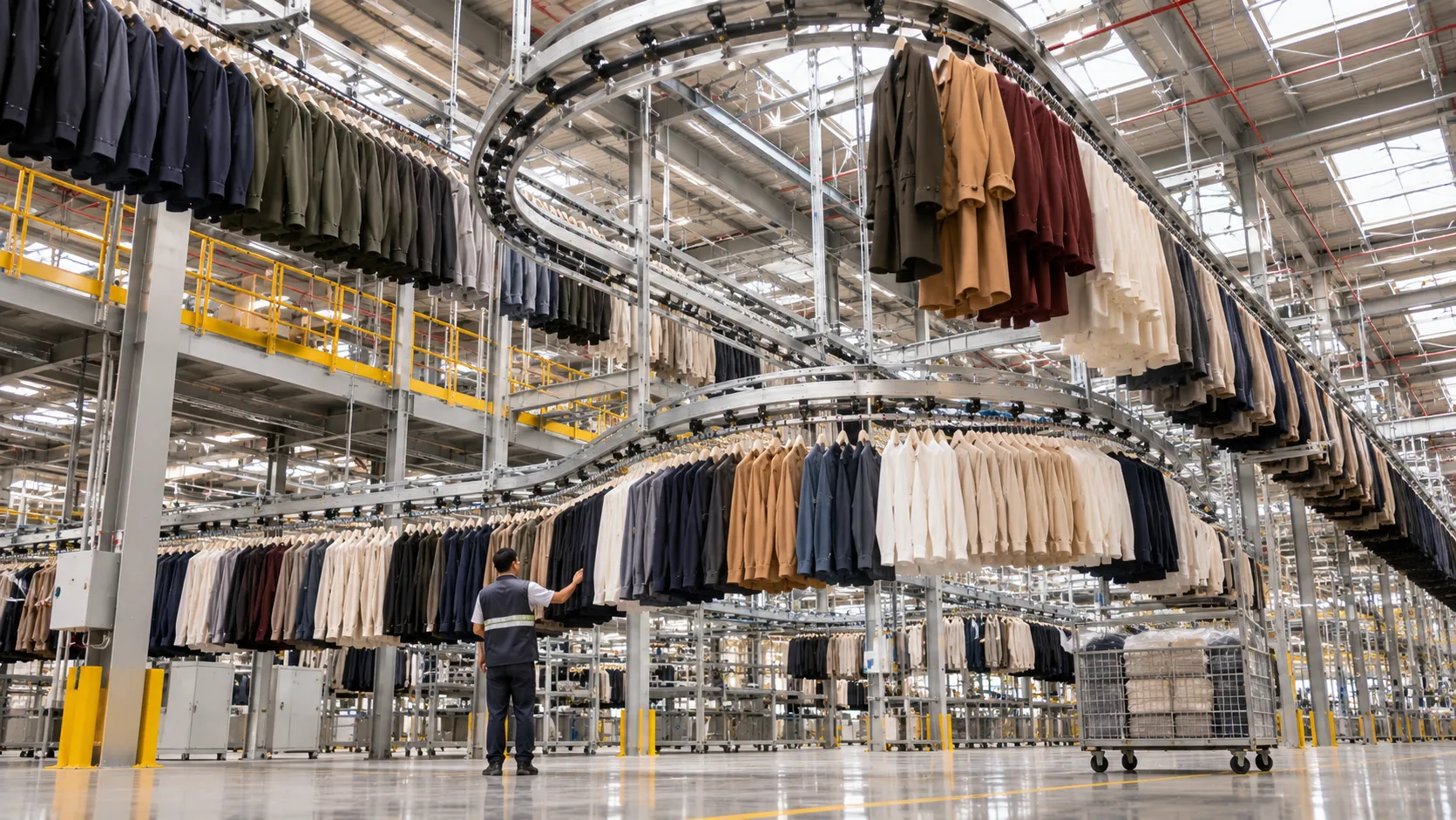
Overhead conveyor rails carrying hanging garments in a large apparel distribution center

Retail · Global apparel and lifestyle company · North America

10,000+test cases run for the upgrade

More than 10,000 test cases and 250+ defects resolved, with no changes to standard SAP code.

Read the full story
Merchandiser reviewing footwear and apparel samples with a tablet in a product sample room

Retail · Global apparel, footwear and accessories company · Global

90%regression automation coverage at SIT exit

Key questions

What retail leaders ask us about SAP

  • What happens to IS-Retail when we move to S/4HANA?

    Retail functions are built into S/4HANA, so IS-Retail customers convert to S/4HANA with its retail capabilities switched on, keeping merchandise management, assortments and replenishment. Some older functions are replaced along the way. Phase 0 maps your retail processes and custom code, so you know what carries over and what changes before the project is scoped.

    About Phase 0

  • How do we migrate without risking peak season?

    Plan the cutover for your quietest months, well clear of back-to-school and the holidays. TSP runs rehearsed mock conversions, tests with real store, ecommerce and supplier data, and freezes risky changes ahead of peak. Larger retailers can move in stages, by company or region, where a selective approach fits.

    How a TSP migration runs

  • Can S/4HANA keep up with store and ecommerce volumes?

    Yes. S/4HANA’s in-memory database handles high transaction volumes, and point-of-sale data usually arrives through SAP Customer Activity Repository or your integration platform. The real work is in the interfaces: TSP lists every connection to stores, ecommerce and marketplaces in Phase 0 and retests each one during migration.

  • Where does AI help retailers today?

    Behind the shelves. Agents onboard new suppliers, read invoices in any format and match them to orders and receipts, reconcile vendor statements and GR/IR accounts at month-end, and keep the article master free of duplicates. Each one works within limits you set, with your team approving the exceptions. A pilot goes live in 6 to 8 weeks.

    Agentic automation

  • Do we have to move off SAP ECC by 2027?

    SAP’s mainstream maintenance for ECC ends at the end of 2027, and extended maintenance to 2030 costs extra. A retail migration has to land outside peak season, which leaves only a few windows each year, so decisions made now decide which window your cutover can use. Phase 0 gives you a timeline that fits.

    Read: Your ECC options

FAQ

Questions about Retail

Straight answers to what SAP leaders ask us most.

Talk to an SAP expert

Is RISE with SAP or SAP GROW the better fit for a retailer?

Most retailers with merchandise management, large assortments and store replenishment need RISE with SAP and S/4HANA Cloud Private Edition. SAP GROW can suit smaller or specialty retailers with simpler processes. Phase 0 tests both against your business. See RISE with SAP and SAP GROW.

We’re not on SAP today. Can we move straight to S/4HANA?

Yes. Retailers outgrowing their current system can implement S/4HANA directly, starting from SAP’s standard processes and adding only what makes your business different. See SAP S/4HANA implementation.

Can testing keep up with our pricing and store changes?

Yes. Automated regression tests cover pricing, promotions, store and ecommerce flows, and run before every SAP update, so a change can’t quietly break checkout or replenishment. See SAP test automation.

Next step

Talk to us about SAP for retail

Thirty minutes with a senior SAP architect on your system, your peak season and your 2027 options. You leave with a clear next step.

A senior SAP architect replies within one business day.

By sending this form, you agree to our Privacy Policy.

What happens next

  1. A 30-minute call with a senior SAP architect
  2. A clear view of your ECC options and timing
  3. If it fits, a Phase 0 assessment scoped to your business