



INtelligent Life Sciences

Industries

SAP Transformation for life sciences

In a regulated business, every SAP change needs evidence that it still works as intended. TSP moves pharma, biotech and medtech companies to S/4HANA with validation built into the plan, and automated testing that keeps them validated after go-live.

Still on SAP ECC? See your options

Life sciences companies run SAP for batch management, quality, traceability and the finance behind regulated operations, and every change has to stay validated. The Silicon Partners (TSP), an SAP Gold Partner and UiPath Diamond Partner, helps pharma, biotech and medtech companies move from ECC to S/4HANA with validation built in, using automated testing that produces audit-ready evidence.

  • 200+S/4HANA engagements
  • 1,000+Professionals
  • 1,200+Intelligent automations

Customer stories

How life sciences companies work with TSP

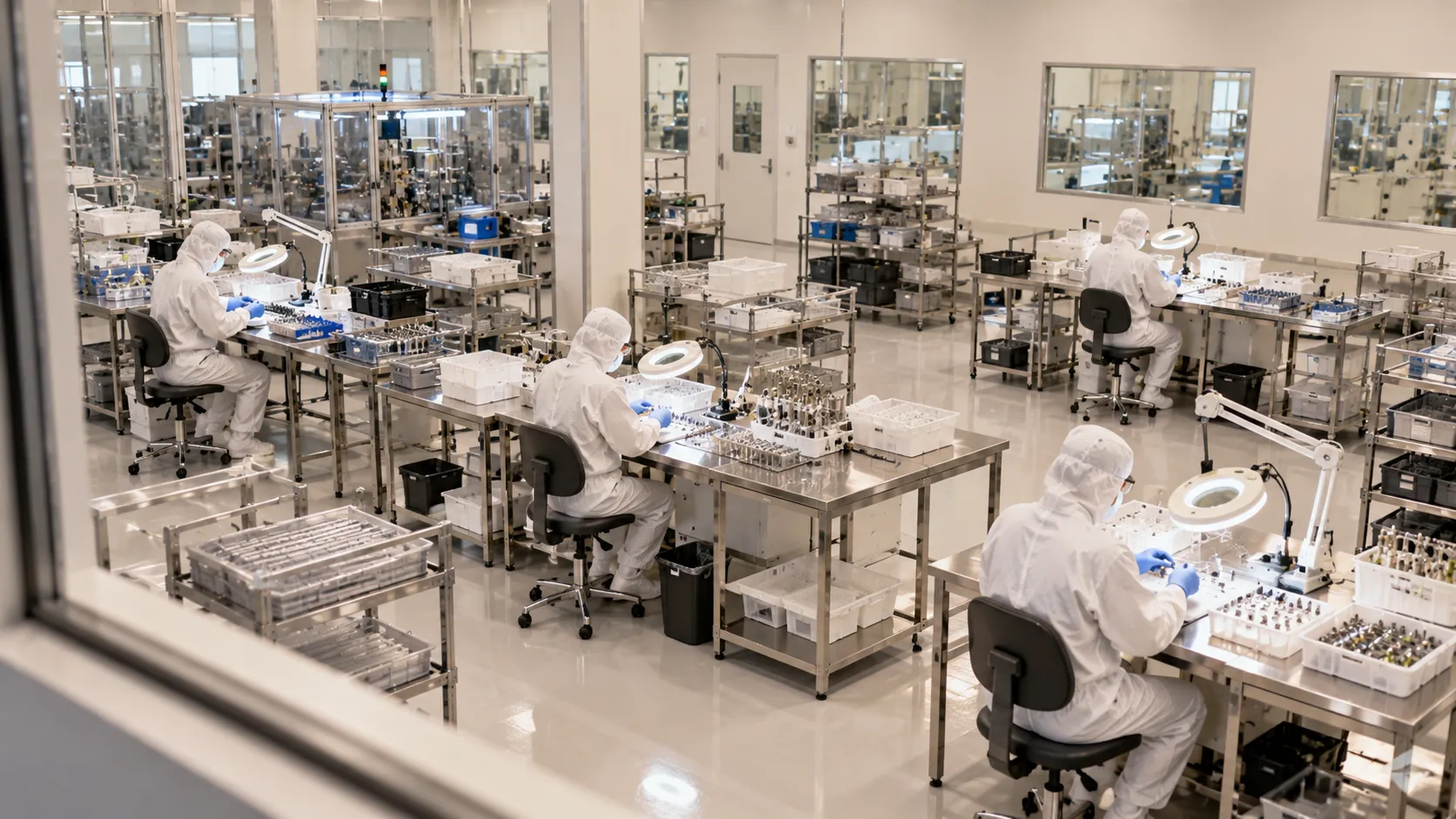
Technicians in cleanroom suits assembling medical devices at stainless steel workstations

Life sciences · Medical device company · US and Asia

On timego-live on the original committed date

TSP took over a program that had lost momentum, kept the committed go-live date, then built the global template and runs support.

Read the full story
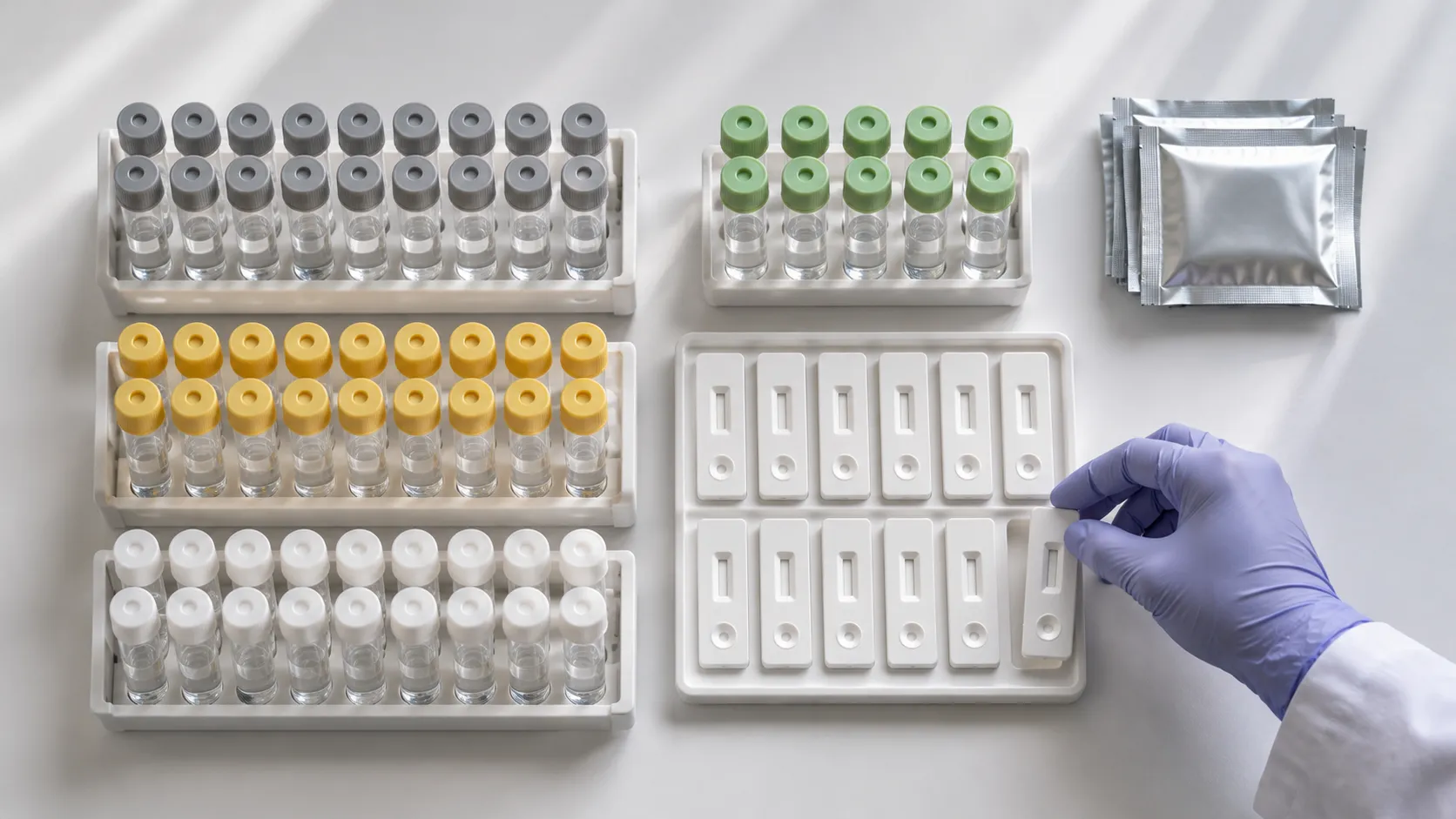
Overhead view of sample tube racks and test cartridges on a diagnostics quality control bench

Life sciences · Diagnostic products manufacturer · North America

98%less test effort

Automated regression testing for a move from several legacy ERPs to SAP S/4HANA, with 98% less test effort.

Read the full story

Scientist working at a biosafety cabinet in a bright biotech research lab

Life sciences · Genetic medicines company · United States

End to endrequisition updates automated in SAP ERP

Requisition data read from Smartsheet, entered and documented in SAP ERP, and status shared with stakeholders automatically.

Read the full story
Technicians in cleanroom suits assembling medical devices at stainless steel workstations

Life sciences · Medical device company · US and Asia

On timego-live on the original committed date

What we hear

What makes SAP different in life sciences

  • Validation for every change

    GxP systems that need documented evidence every time SAP, a process or a setting changes.

  • Batches and release

    Batch records, quality results and release decisions that have to line up before product ships.

  • Serialization and traceability

    Serial numbers and lot histories ready for track-and-trace rules and fast recalls.

  • Quality and lab connections

    Inspection results, lab systems and quality records connected to production and stock.

  • Temperature-controlled supply

    Cold chain products, expiry dates and storage conditions tracked from plant to customer.

  • Audit readiness

    Change history, approvals and test evidence that auditors can follow without a scramble.

Key questions

What life sciences leaders ask us about SAP

  • How do we keep SAP validated through an S/4HANA migration?

    Plan validation into the migration from the first day. TSP works with your quality team on a risk-based approach: GxP-relevant processes are identified early, requirements stay traceable to their tests, and automated test runs record the evidence. Your team reviews and approves at each stage, so the validation package grows with the project.

    How a TSP migration runs

  • Can automated testing produce our validation evidence?

    Yes. Each automated run records the steps, expected and actual results, screenshots and timestamps, ready for your reviewers to approve. The same tests run again for every SAP update or change, so revalidation takes days of review work, compared with weeks of manual test execution. Your quality system stays the place where evidence is approved.

    SAP test automation

  • Can a validated company run SAP in the cloud?

    Yes, with the right model. RISE with SAP and S/4HANA Cloud Private Edition let you schedule upgrades and validate on your own timeline. The public cloud brings SAP’s updates on SAP’s schedule, so validation has to keep pace continuously. Automated regression testing makes either workable, and Phase 0 shows which fits your quality process.

    About RISE with SAP

  • How does SAP support batch traceability and serialization?

    S/4HANA’s batch management records each lot from raw material to finished product, so a recall can trace every affected batch in minutes. Serialization for rules such as DSCSA usually runs through a track-and-trace platform, such as SAP Advanced Track and Trace for Pharmaceuticals, connected to S/4HANA. TSP includes those connections in migration planning and testing.

  • Where does AI help in life sciences today?

    In document-heavy work with clear rules: supplier invoices, certificates of analysis, vendor qualification paperwork and data checks. Agents work within policy limits, people approve anything that matters, and every action is logged with its reasoning, which suits a regulated business. Most companies start outside GxP processes, such as accounts payable. A pilot goes live in 6 to 8 weeks.

    Agentic automation

FAQ

Questions about Life Sciences

Straight answers to what SAP leaders ask us most.

Talk to an SAP expert

Do we have to move off SAP ECC by 2027?

SAP’s mainstream maintenance for ECC ends at the end of 2027, and extended maintenance to 2030 costs extra. A validated migration takes longer than most, because validation planning, testing and approvals add time, so decisions made now decide when your cutover can land. Read about your ECC options.

Can AI agents be used in GxP processes?

They can, once they’re validated like any other computerized system, with defined intended use, tested behavior and controlled changes. Most companies start with agents in non-GxP work such as accounts payable, build confidence and governance there, and then assess GxP use cases one by one.

Will our lab, quality and manufacturing systems still connect?

Yes, once each interface is retested. Phase 0 lists every system connected to SAP, such as lab information, quality management and manufacturing execution systems, and the migration plan tests each connection with validation evidence before cutover.

Next step

Talk to us about SAP for life sciences

Thirty minutes with a senior SAP architect on your system, your validation approach and your 2027 options. You leave with a clear next step.

A senior SAP architect replies within one business day.

By sending this form, you agree to our Privacy Policy.

What happens next

  1. A 30-minute call with a senior SAP architect
  2. A clear view of your ECC options and timing
  3. If it fits, a Phase 0 assessment scoped to your business