



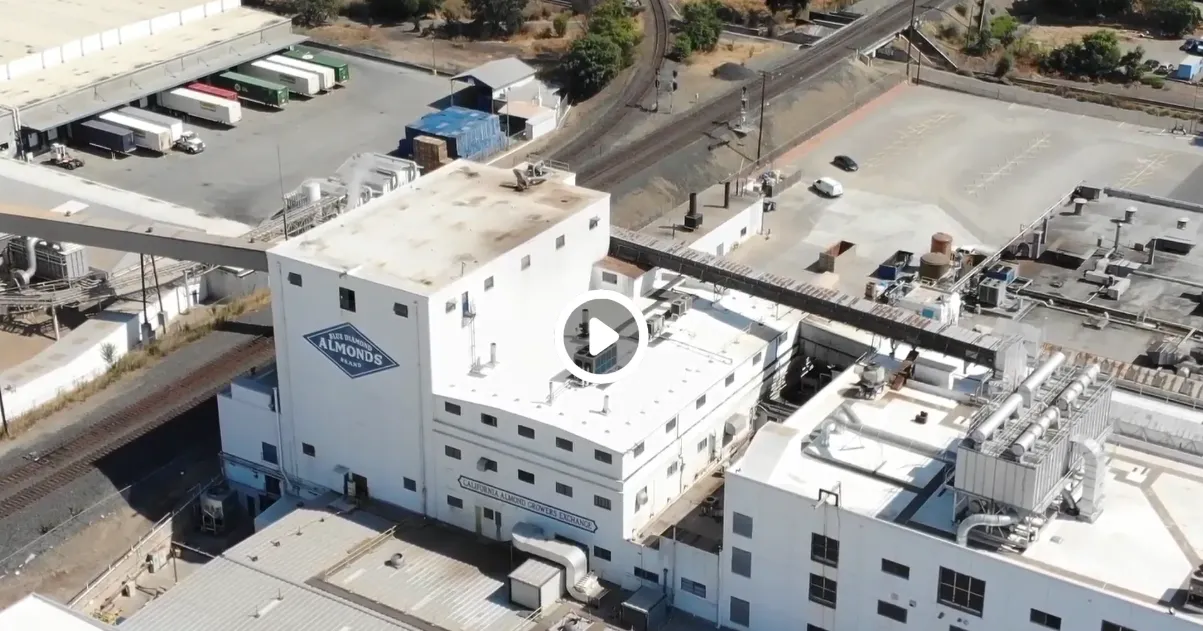

orchard rows at blue hour converging toward low hills, with a tractor's cool headlights glowing between the rows in the right third and open, dim sky on the left.

Industries

SAP for agribusiness

Harvest peaks, lot traceability and grower payments put unusual demands on SAP. TSP helps agribusiness companies modernize SAP around the season, with automation where manual work slows the team down.

Still on SAP ECC? See your options

Agribusiness companies run SAP through harvest peaks, lot traceability, grower contracts and tight margins. The Silicon Partners (TSP), an SAP Gold Partner headquartered in Folsom, California, helps growers, processors and cooperatives move from SAP ECC to S/4HANA, plan the work around their season, and automate the manual steps that slow their teams down.

  • 200+S/4HANA engagements
  • 1,000+Professionals
  • 1,200+Intelligent automations
A COO inspects farms and what the data shows on his tablet

What we hear

What makes SAP different in agribusiness

  • Harvest-season peaks

    Volumes spike for weeks at a time, so systems and cutovers have to work around the season.

  • Lots, batches and shelf life

    Every lot tracked from receiving through processing, storage and shipment, with shelf life in view.

  • Food traceability rules

    Records ready for customer audits and traceability rules such as FSMA Section 204.

  • Grower contracts and payments

    Contracts, deliveries, quality grades and settlements that often live in custom ECC code.

  • Variable yields and weights

    Products sold by actual weight and grade, with yields that change with every harvest.

  • Planning under uncertainty

    Demand, crop and price swings that need planning beyond spreadsheets.

Customer Story

How a leading California nut cooperative modernized its SAP landscape

Blue Diamond Growers Signavio story

Customer stories

How agribusiness companies work with TSP

An Agribusiness executive overlooking farmlands from her office

Agribusiness and CPG · Grower-owned cooperative · United States

6,000+hours saved per year

Ten production automations on SAP S/4HANA, from deductions posting to export paperwork.

Read the full story
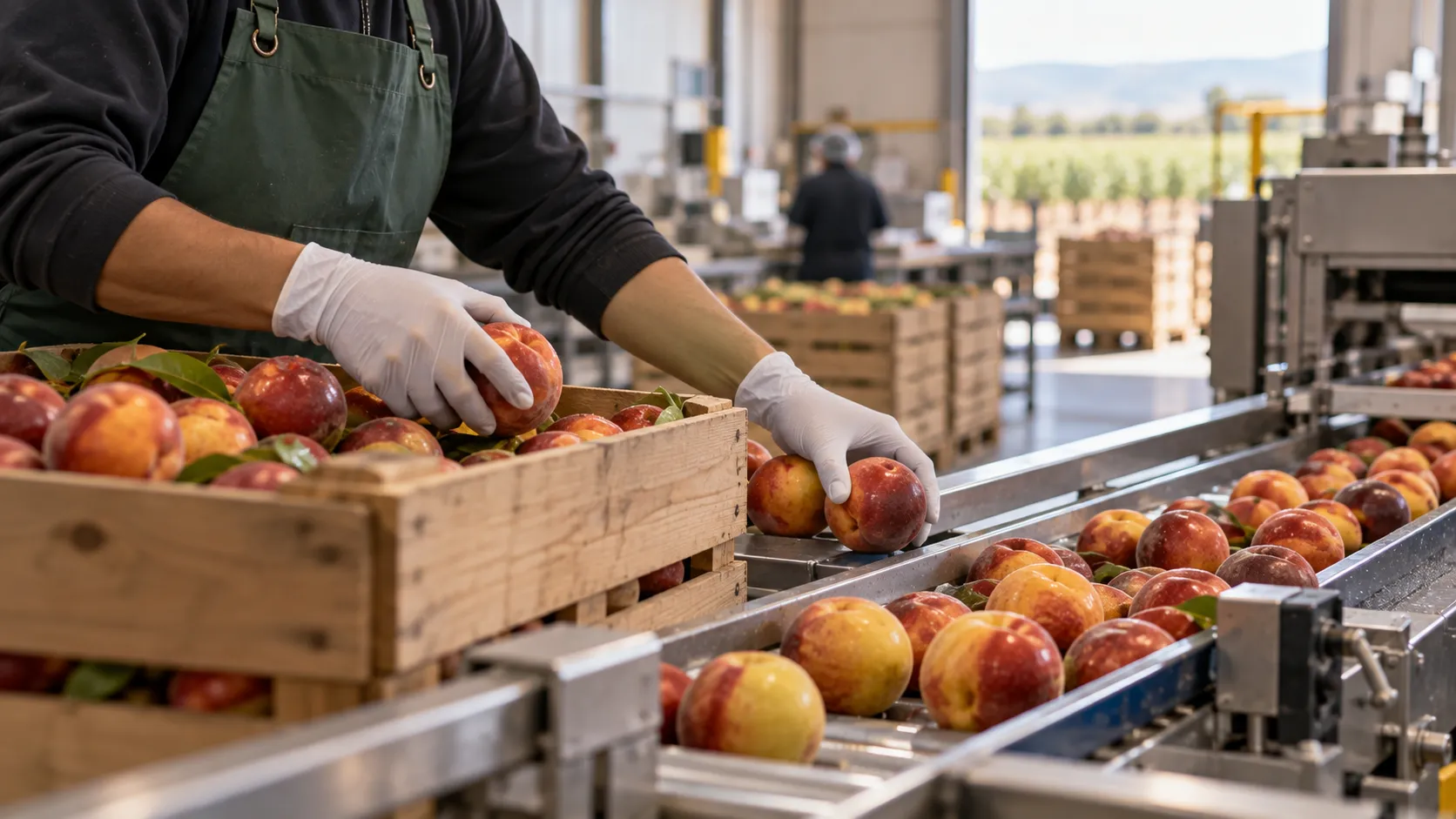
Gloved hands moving fresh produce onto a conveyor in a cooperative packing plant

Agribusiness · Grower-owned food cooperative · United States

75%less test execution time

83 automated end-to-end scripts across six SAP modules cut each test cycle from about 20 hours to about 5.

Read the full story

Worker tapping an ID badge on a time clock at the start of a shift in a food processing plant

Agribusiness · US poultry producer · Mexico

11,578employees in Mexico on WorkForce Software

The first two phases went live in December 2024 for around 11,578 employees in Mexico, with the rest of the Mexico workforce to follow.

Read the full story

Grain truck unloading at the base of tall cooperative grain silos during harvest

Agribusiness · Food and agriculture cooperative · North America

Zerobusiness impact at go-live

1,300+ SAP users moved from ECC to SAP S/4HANA 2020 in under 36 hours of downtime, with zero business impact.

Read the full story
An Agribusiness executive overlooking farmlands from her office

Agribusiness and CPG · Grower-owned cooperative · United States

6,000+hours saved per year

Key questions

What agribusiness leaders ask us about SAP

  • How do we plan an S/4HANA migration around harvest?

    Work back from your season. TSP sets the cutover for your quietest weeks, runs rehearsed mock conversions well before them, and keeps peak-season months free of risky changes. Testing uses real lots, contracts and settlements from your last harvest, so the system is proven on the work that matters most before it goes live.

    How a TSP migration runs

  • What happens to our grower contracts and settlements in S/4HANA?

    Many agribusiness companies built contracts, deliveries, grading and grower settlements as custom code in ECC. A Phase 0 assessment maps each customization, shows which ones S/4HANA’s standard functions now cover, and identifies what to rebuild, simplify or retire, so you know the scope before you sign.

    About Phase 0

  • How does SAP support food traceability?

    S/4HANA’s batch management records each lot from receiving through processing and shipment, with quality results attached. That gives you the lot history customers and regulators ask for, including the records traceability rules such as FSMA Section 204 require for listed foods. TSP configures it around how your plants actually receive, process and store product.

  • Do we have to move off SAP ECC by 2027?

    SAP’s mainstream maintenance for ECC ends at the end of 2027, and extended maintenance to 2030 costs extra. Most agribusiness companies need more than one season to migrate, so 2026 and 2027 decisions shape when your cutover can land. Phase 0 gives you a timeline that fits both SAP’s dates and your harvest.

    Read: Your ECC options

  • Where does AI help in agribusiness operations today?

    The quickest returns come from paperwork. At one grower cooperative, TSP's automations now post customer deductions, extract AP documents and create export and phytosanitary certificates. Sales orders, cash application and month-end reconciliation are next in line for most agribusiness companies. A pilot goes live in 6 to 8 weeks.

FAQ

Questions about Agribusiness

Straight answers to what SAP leaders ask us most.

Talk to an SAP expert

Does TSP have SAP experience in agribusiness?

Yes. TSP has delivered SAP for growers, processors and grower cooperatives in North America, including S/4HANA work and automation. Our customer stories on this page describe that work by industry, size and region, as we never name clients.

Can you visit our operations?

Yes. TSP is headquartered in Folsom, California, near Sacramento, and our team regularly visits plants, packing facilities and offices. Seeing how product moves through your operation is often the best start to a Phase 0 assessment.

Is RISE with SAP or SAP GROW the better fit for a mid-sized agribusiness?

It depends on how much your processes differ from standard. Companies with grower settlements, custom grading or complex plant processes usually need RISE with SAP and S/4HANA Cloud Private Edition. Companies close to standard can move faster on SAP GROW. Phase 0 tests both against your system. See RISE with SAP and SAP GROW.

Do you work with cooperatives as well as privately owned companies?

Yes. Cooperatives bring their own requirements, such as member payments, pooling and board reporting, and we plan for them from the first assessment.

Next step

Talk to us about SAP for agribusiness

Thirty minutes with a senior SAP architect on your system, your season and your 2027 options. We’re based in Folsom, California, and happy to visit your operations.

A senior SAP architect replies within one business day.

By sending this form, you agree to our Privacy Policy.

What happens next

  1. A 30-minute call with a senior SAP architect
  2. A clear view of your ECC options and timing
  3. If it helps, a visit to your operations