






A test lead reviews SAP release testing at a standing desk in a bright operations room.

SAP test automation

Reimagine Testing with Agentic SAP test automation

Strategy, scripts, test data and execution for S/4HANA migrations, upgrades and quarterly releases. TSP ARIA turns the knowledge you already have into automated tests, and we run them on Tricentis or UiPath.

SAP test automation replaces manual regression, integration and acceptance testing with automated tests that run on every change. The Silicon Partners (TSP), an SAP Gold Partner and UiPath Diamond Partner that also partners with Tricentis, delivers it end to end: strategy, scripts, test data and execution, with TSP ARIA generating tests from your own documentation.

  • ~70%Shorter testing timelines
  • 750+Pre-built SAP test bots
  • 200+S/4HANA engagements

Where we help

SAP testing for every kind of change

Pick the change you’re facing to see what TSP automates and what changes for your team.

A move from ECC needs every process proven before go-live, usually several times over. Automating the tests once means every mock cycle and dress rehearsal reuses them.

What we automate

  • Test scope from what you haveTSP ARIA reads your ECC processes and documents and defines what needs testing, custom variations included
  • Regression suites for each mock cycleThe same tests rerun after every conversion, so each cycle is comparable
  • Integration testsAriba, EDI, banking and third-party connections checked end to end
  • Data checksMigrated master and transactional data reconciled against the source
  • Lighter acceptance testingAutomated tests take the repetitive checks off your business users

What changes

  • Every mock cycle reuses the same tests
  • Business users freed for the decisions only they can make

SAP S/4HANA services

Feature packs, version upgrades and SAP’s quarterly cloud releases all change something. Risk-based scoping tests what a change touches, and the full regression suite runs overnight.

What we automate

  • Change impact analysisTransports, support packs and releases analyzed to show what needs testing
  • Release regressionSuites scheduled to run against each new release or feature pack
  • Fiori and SAP GUITests built on application objects, so they survive screen changes
  • Public cloud releasesRegression ready for each quarterly SAP S/4HANA Cloud release
  • Results in SAP Cloud ALMPass and fail trends, coverage and defects in one place

What changes

  • Testing that fits inside the release window
  • Fewer surprises after an upgrade

Once you’re live, every transport and enhancement can break something that worked yesterday. Managed regression keeps your suite current and runs it for you.

What we automate

  • Managed regressionScheduled runs, results reviewed and failures investigated
  • Script maintenanceTests updated after each SAP release and process change
  • New tests for new workEvery enhancement added to the suite as it goes live
  • Defect triageRoot cause found, fixes retested automatically
  • CI/CD integrationTests triggered from your transport and release pipeline

What changes

  • A regression suite that stays current
  • Releases signed off on evidence

SAP SuccessFactors updates twice a year, and each release can change a form, a rule or an integration. More than 150 pre-built tests cover the core modules.

What we automate

  • Pre-built testsEmployee Central, Employee Central Payroll, Recruiting, Onboarding, Learning, and Performance and Goals
  • Release regressionYour configuration checked before each update reaches employees
  • IntegrationsLinks to SAP S/4HANA, payroll and time systems tested end to end

What changes

  • Every release checked before employees see it
  • HR teams spared the manual retesting

In life sciences and other regulated industries, every test needs evidence an auditor will accept. Automated testing produces that evidence as it runs.

What we automate

  • Evidence captured automaticallyScreenshots, logs and results recorded for every run
  • Digital validationTricentis Vera for GxP, with electronic signatures and audit records
  • TraceabilityEach requirement linked to its tests and defects
  • Compliance documentationAudit-ready records generated from automated runs

What changes

  • Evidence produced as you test
  • Validation without the paperwork

A system that passes every functional test can still slow down at month-end. Performance testing shows how SAP behaves under real volumes before go-live.

What we automate

  • Load, stress and volume testsCritical processes run at peak volumes
  • Peak scenariosMonth-end close, order spikes and batch windows
  • A performance planStrategy and execution plan agreed before testing starts

What changes

  • Capacity proven before go-live
  • Bottlenecks found while there’s time to fix them

Tests written from your own SAP system

Agentic Testing with TSP ARIA

ARIA Test generates test scenarios from your live SAP system and project documents, mines realistic test data with ARIA TestMiner, and syncs results with SAP Cloud ALM.

How TSP ARIA TEST Works

Most of your test knowledge already exists. ARIA turns it into test scenarios.

  1. Generate the scenarios

    TSP ARIA reads your business process documents, functional specs, configuration guides, recordings and existing manual scripts. It defines the test scope and writes the scenarios, with every variation and the fields each transaction needs, without scoping workshops.

  2. Compare with what you have

    ARIA compares what it generated with your existing test scripts, so your business teams revalidate only what’s new or changed.

  3. Mine the test data

    TSP ARIA TestMiner pulls scenario-ready test data from your live SAP tables, matched to each process, so tests run on realistic data from the first cycle.

  4. Review and approve

    Your functional experts review each script in ARIA and mark it validated or send it back for changes. Every decision is recorded.

  5. Automate, run and govern

    Validated scenarios are built and run on Tricentis or UiPath, with results and defects synced to SAP Cloud ALM. The suite becomes an asset you keep, release after release.

    Agentic testing with TSP ARIA

Pre-built SAP test bots

750+ pre-built tests for SAP, ready on day one

Built around SAP Best Practices scenarios, so your suite starts from tested components and needs only your configuration.

  • A Finance executive working on tablet

    Finance

    Capex, cash journal, internal orders, parked G/L postings, recurring entries and period-end processing.

  • Procurement

    Direct, indirect, asset and service procurement, consumables, subcontracting and complex stock transfers.

  • Production planning

    Make-to-stock (discrete, process and repetitive), make-to-order, rework and refurbishment.

  • Sales and distribution

    Sales from stock, third-party sales, credit and debit memos, returns, free-of-charge deliveries and warranty replacements.

  • Quality management

    Quality checks in discrete manufacturing and in procurement.

  • SAP SuccessFactors

    150+ tests across Employee Central, Payroll, Recruiting, Onboarding, Learning, and Performance and Goals.

Tricentis or UiPath: which platform should we test SAP on?

Both work well for SAP, and TSP partners with both.

Tricentis and UiPath for SAP testing

TricentisUiPath
Best fitSAP-heavy landscapes testing at scaleCompanies already automating on UiPath
How tests are builtModel-based and codeless, in ToscaLow-code workflows, in UiPath Studio
Deciding what to testLiveCompare analyzes each changeChange impact analysis in UiPath
Bought throughTricentis, or SAP as solution extensionsUiPath
Also coversPerformance, data integrity and GxP validationProcess automation on the same platform
Results tracked inSAP Cloud ALM, qTest or JiraSAP Cloud ALM, UiPath Test Manager or Jira

Already own one? We build on what you have. TSP ARIA and the pre-built tests work with both. See UiPath for SAP testing.

Tricentis for SAP

Customer stories

Testing results for TSP clients

echnician testing data storage hardware on a modern electronics manufacturing floor

High-tech · Data storage hardware manufacturer · Global

68person-days saved per release

52 automated end-to-end scripts validated the move to SAP S/4HANA on RISE, saving 68 person-days per release.

Read the full story

Merchandiser reviewing footwear and apparel samples with a tablet in a product sample room

Retail · Global apparel, footwear and accessories company · Global

90%regression automation coverage at SIT exit

TSP ARIA and TSP Test Miner powered 8,000+ regression test cases, with 90% regression automation coverage at SIT exit.

Read the full story

High view of stainless steel tanks and pipework in a large dairy processing plant

Consumer packaged goods · Branded dairy producer · United States

96%less manual testing per release

105 end-to-end test cases automated on the UiPath Test Suite, cutting manual release testing from 800 hours to 40.

Read the full story

Gloved hands moving fresh produce onto a conveyor in a cooperative packing plant

Agribusiness · Grower-owned food cooperative · United States

75%less test execution time

83 automated end-to-end scripts across six SAP modules cut each test cycle from about 20 hours to about 5.

Read the full story

Test engineer checking a row of electrical switchgear cabinets in a factory test bay

Manufacturing · Power systems manufacturer · North America

95%faster test cycles

A UiPath test automation framework that cut test cycle time by 95% and ran six times as many tests per release.

Read the full story
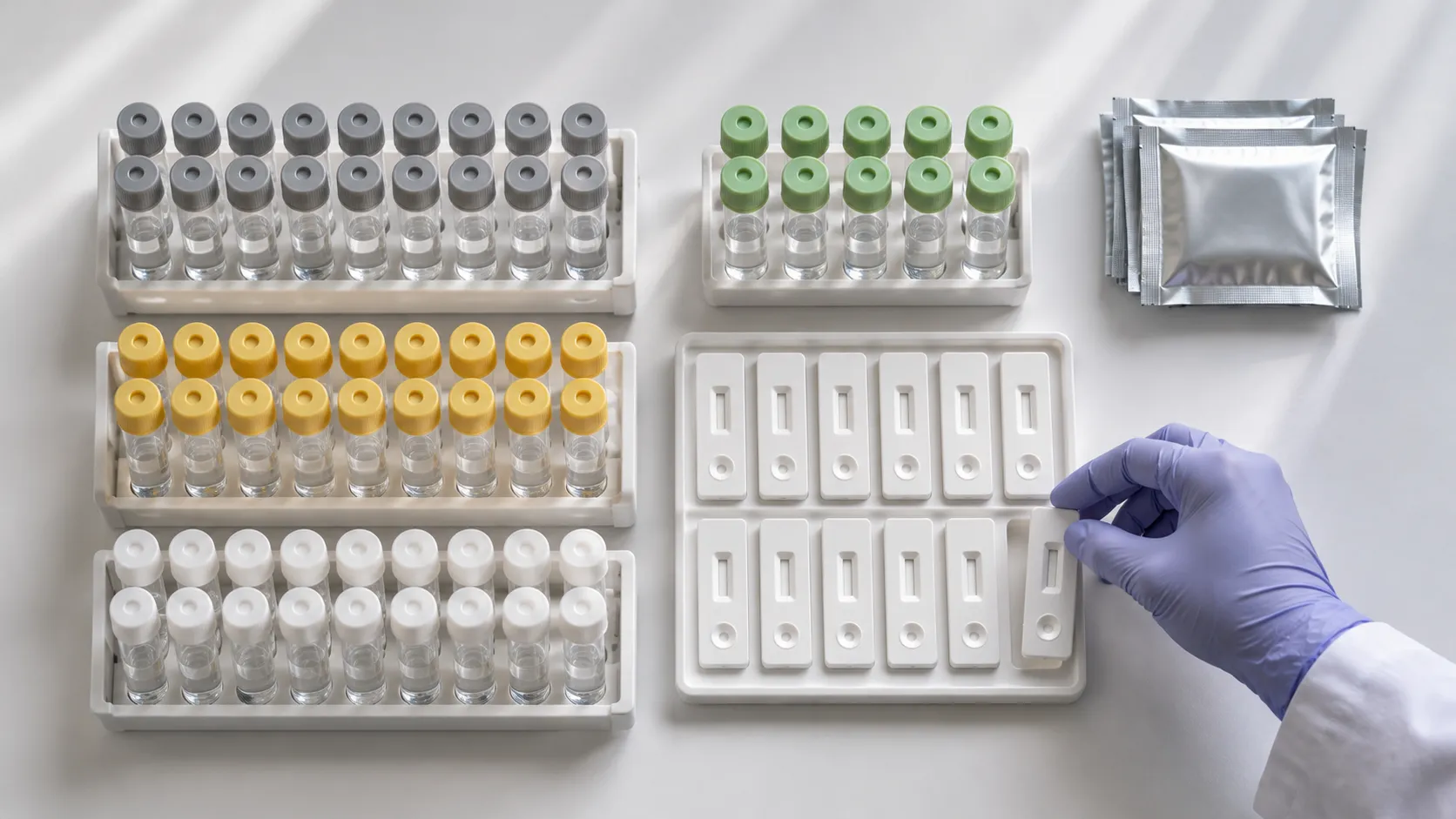
Overhead view of sample tube racks and test cartridges on a diagnostics quality control bench

Life sciences · Diagnostic products manufacturer · North America

98%less test effort

Automated regression testing for a move from several legacy ERPs to SAP S/4HANA, with 98% less test effort.

Read the full story
echnician testing data storage hardware on a modern electronics manufacturing floor

High-tech · Data storage hardware manufacturer · Global

68person-days saved per release

Ways to start

Start where you are

  • Usual first step

    Free testing call

    Duration
    30 minutes
    Cost
    Free

    What you get

    A TSP testing lead’s view on where automation would pay back first in your landscape.

  • Test strategy assessment

    Duration
    2 weeks
    Cost
    Scoped to your landscape

    What you get

    Your current testing effort baselined, automation opportunities ranked by ROI, and a prioritized plan.

  • Automation pilot

    Duration
    4 to 5 weeks
    Cost
    Scoped to your first process

    What you get

    Your platform configured, the framework in place, your first five automated tests running, and the program’s ROI defined.

Key questions

What SAP leaders ask about test automation

  • How much regression testing does an S/4HANA upgrade or cloud release need?

    Less than a full manual retest, but more than most teams can run by hand. Change impact analysis shows which processes a release touches, and those get tested first and deepest. A stable automated regression suite then runs the rest overnight, so the whole landscape is covered inside the release window.

    Upgrades and cloud releases

  • What does SAP test automation cost, and how fast does it pay back?

    The cost is building the framework and scripts, then keeping them current with each release. The payback is every manual cycle you no longer run. TSP clients have cut testing timelines by about 70%. A two-week assessment baselines your current effort, so the business case uses your own figures.

    Ways to start

  • What replaces SAP Solution Manager for test management?

    SAP Cloud ALM is SAP’s successor for test management, and automated test results can flow into it directly. TSP connects Tricentis or UiPath to Cloud ALM, so test plans, runs, defects and go-live readiness sit in one place, alongside the rest of your project.

  • Do we still need manual testers and business users?

    Yes, for different work. Automation takes on the repetitive regression and integration checks. Your business users keep the judgment calls: new processes, exploratory testing and final acceptance. Most teams find their experts spend far less time executing tests and more time on the decisions only they can make.

FAQ

Questions about SAP test automation

Straight answers to what SAP leaders ask us most.

Talk to an SAP expert

What is SAP test automation?

SAP test automation uses software to run the tests that people would otherwise run by hand: regression, integration, user acceptance and performance tests across SAP processes. Automated tests can run after every change, overnight and in parallel, so each release is checked completely without tying up your experts for weeks.

Which systems can you test?

SAP ECC, SAP S/4HANA (private and public cloud editions), SAP SuccessFactors, SAP Ariba, Fiori and SAP GUI, and the integrations around them. The same frameworks also cover non-SAP applications such as Salesforce, web portals and APIs, so end-to-end processes can be tested across systems.

How long until we have an automated regression suite?

A pilot puts your first five automated tests in place in 4 to 5 weeks. The next phase expands the framework and adds more tests over 8 to 10 weeks, and a full regression suite typically follows within three months. Pre-built tests and TSP ARIA shorten each step.

Do we need to buy Tricentis or UiPath licenses?

You need a test platform, and you may already have one. Many SAP customers hold a Tricentis entitlement through SAP, and UiPath customers can often extend their existing platform to testing. TSP checks what you already own before recommending anything. See platform options.

What does TSP ARIA do in testing?

TSP ARIA reads your documentation and recordings, writes the test scenarios and scripts, and mines test data from your live SAP with TSP ARIA TestMiner. Your experts approve every script, and the validated tests run on Tricentis or UiPath. See agentic testing with TSP ARIA.

Do you offer managed testing?

Yes. TSP runs your regression suites on a schedule, maintains the scripts after each SAP release, adds tests for new work and triages defects, with results reported in SAP Cloud ALM. It suits companies that want automated testing without building an in-house team to run it.

Next step

Talk to us about SAP testing

Thirty minutes with a TSP testing lead on your landscape, release cadence and current testing effort. You leave knowing where automation pays back first.

A senior SAP architect replies within one business day.

By sending this form, you agree to our Privacy Policy.

What happens next

  1. You tell us about your landscape and how you test today
  2. We point out where automation would pay back first
  3. If it makes sense, we scope an assessment or a pilot