



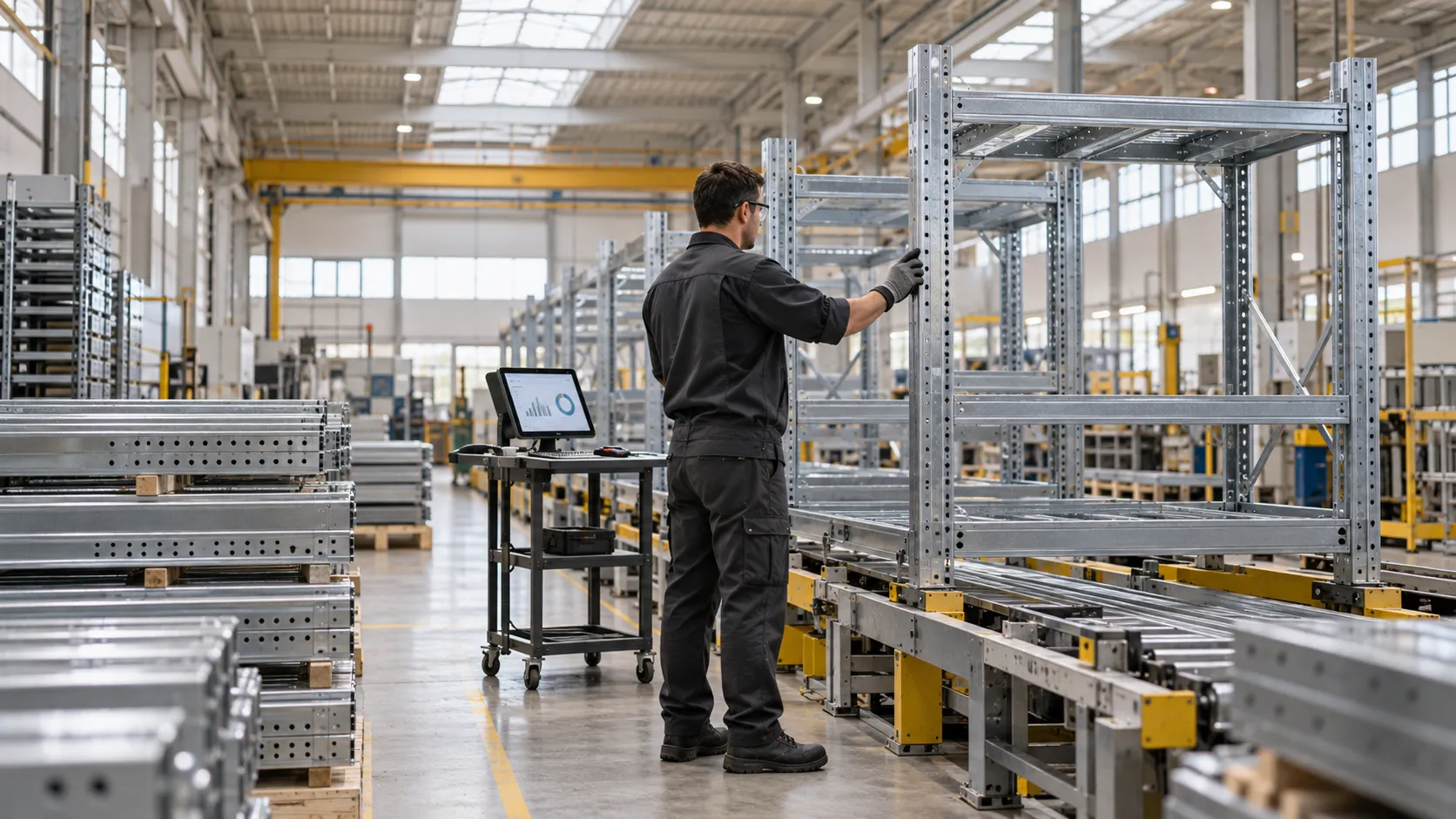
Factory automation

Industries

SAP Cloud ERP for Manufacturers, without stopping the line

Production plans, shop-floor data and years of custom code all depend on SAP. TSP moves manufacturers to S/4HANA around their production calendar, and puts agents to work on the master data and paperwork that slow the plants down.

Planning a migration SAP S/4HANA? Explore how a migration runs

Manufacturers depend on SAP for production planning, quality, maintenance and costing across every plant. The Silicon Partners (TSP), an SAP Gold Partner and UiPath Diamond Partner, helps discrete and process manufacturers move from ECC to S/4HANA around their production calendar, clean up master data before the move, and automate the paperwork around their plants.

  • 200+S/4HANA engagements
  • 1,000+Professionals
  • 1,200+Intelligent automations

Customer stories

How manufacturers work with TSP

echnician testing data storage hardware on a modern electronics manufacturing floor

High-tech · Data storage hardware manufacturer · Global

68person-days saved per release

52 automated end-to-end scripts validated the move to SAP S/4HANA on RISE, saving 68 person-days per release.

Read the full story
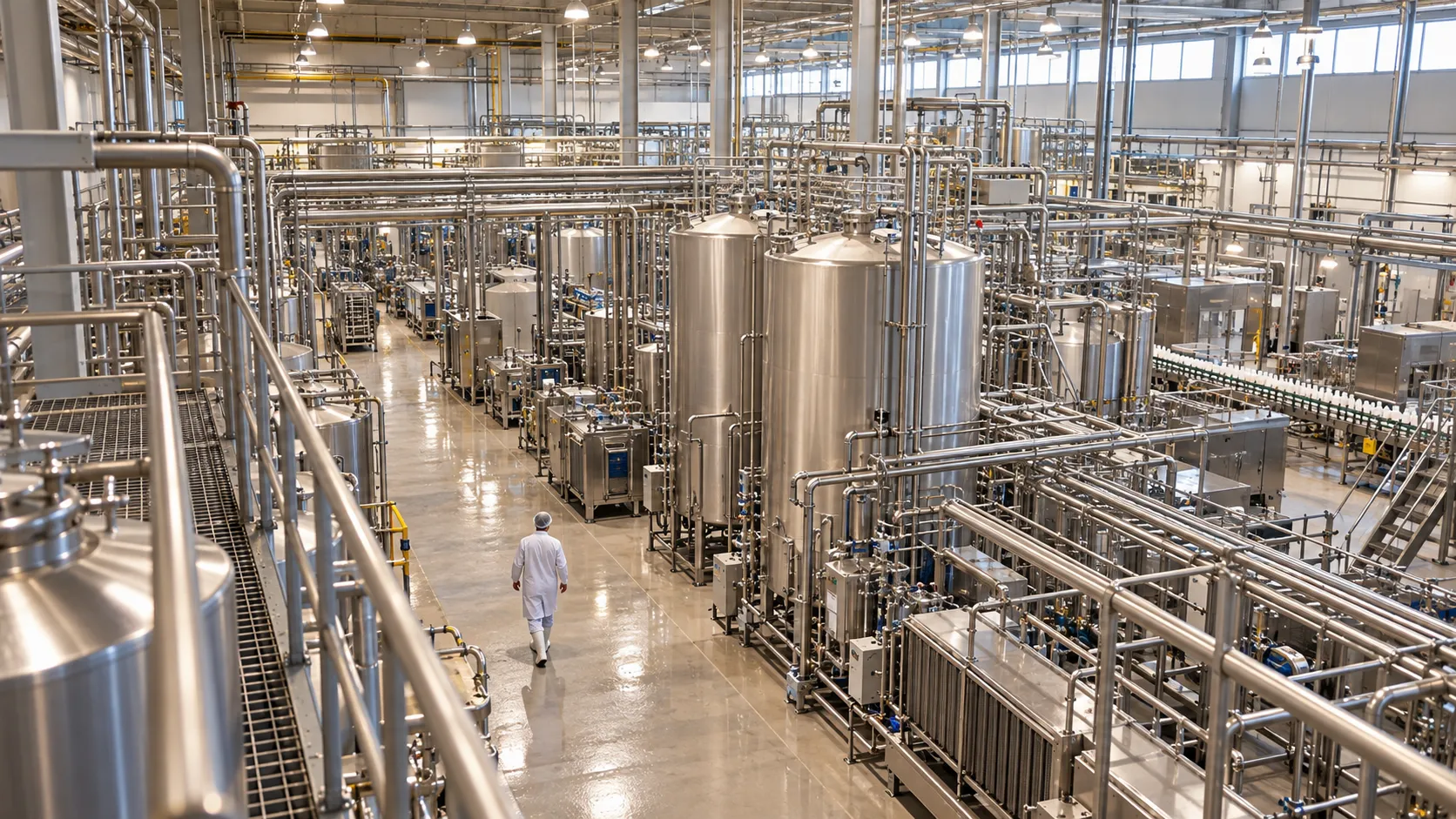
High view of stainless steel tanks and pipework in a large dairy processing plant

Consumer packaged goods · Branded dairy producer · United States

96%less manual testing per release

105 end-to-end test cases automated on the UiPath Test Suite, cutting manual release testing from 800 hours to 40.

Read the full story
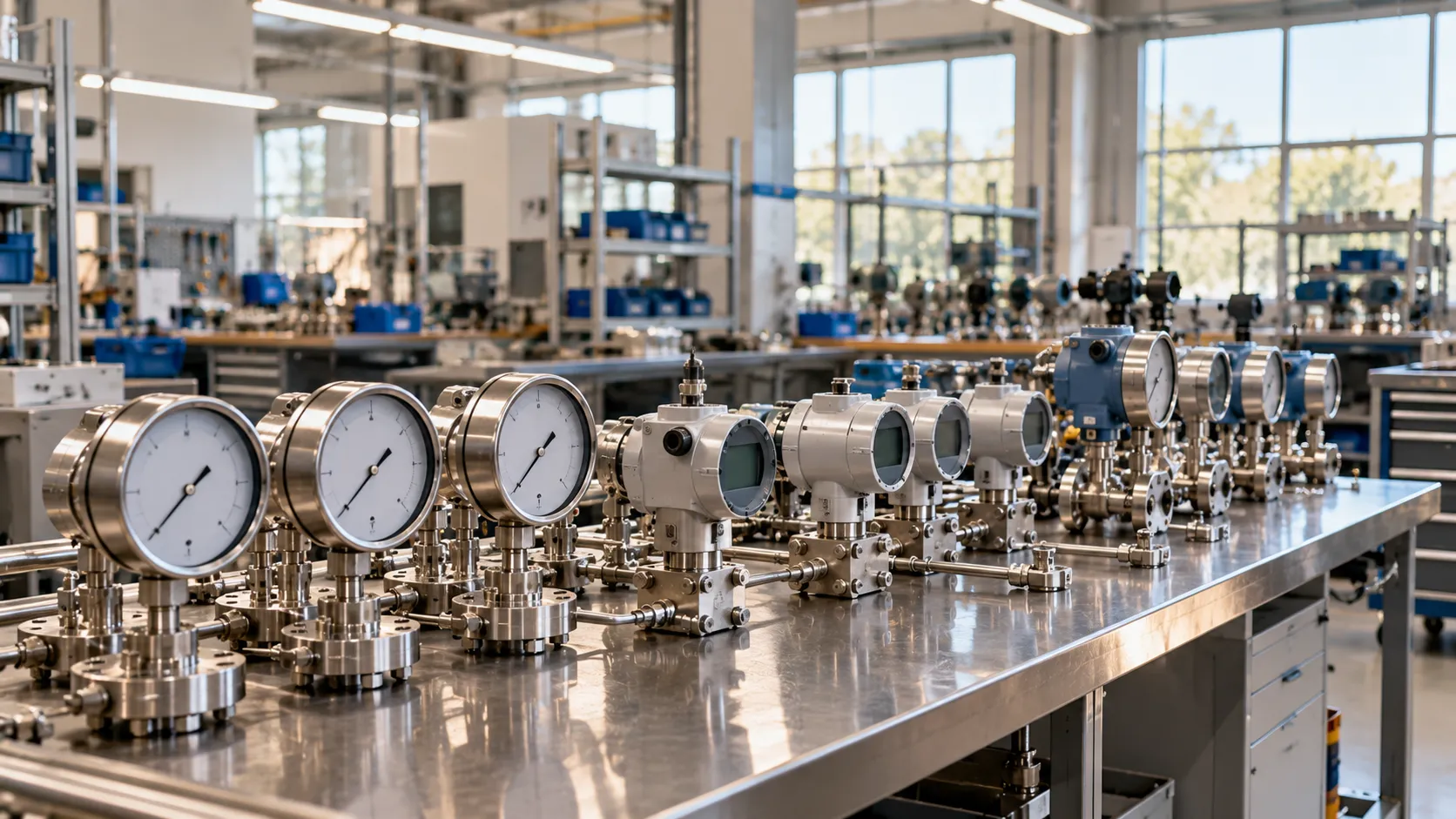
Rows of finished pressure gauges and transmitters on a calibration bench in an instruments factory

Manufacturing · Industrial measurement and control instrumentation maker · Multi-country

400 hoursless effort at period-end close

A greenfield SAP S/4HANA 2022 on RISE with SAP that cut 400 hours from the period-end close.

Read the full story
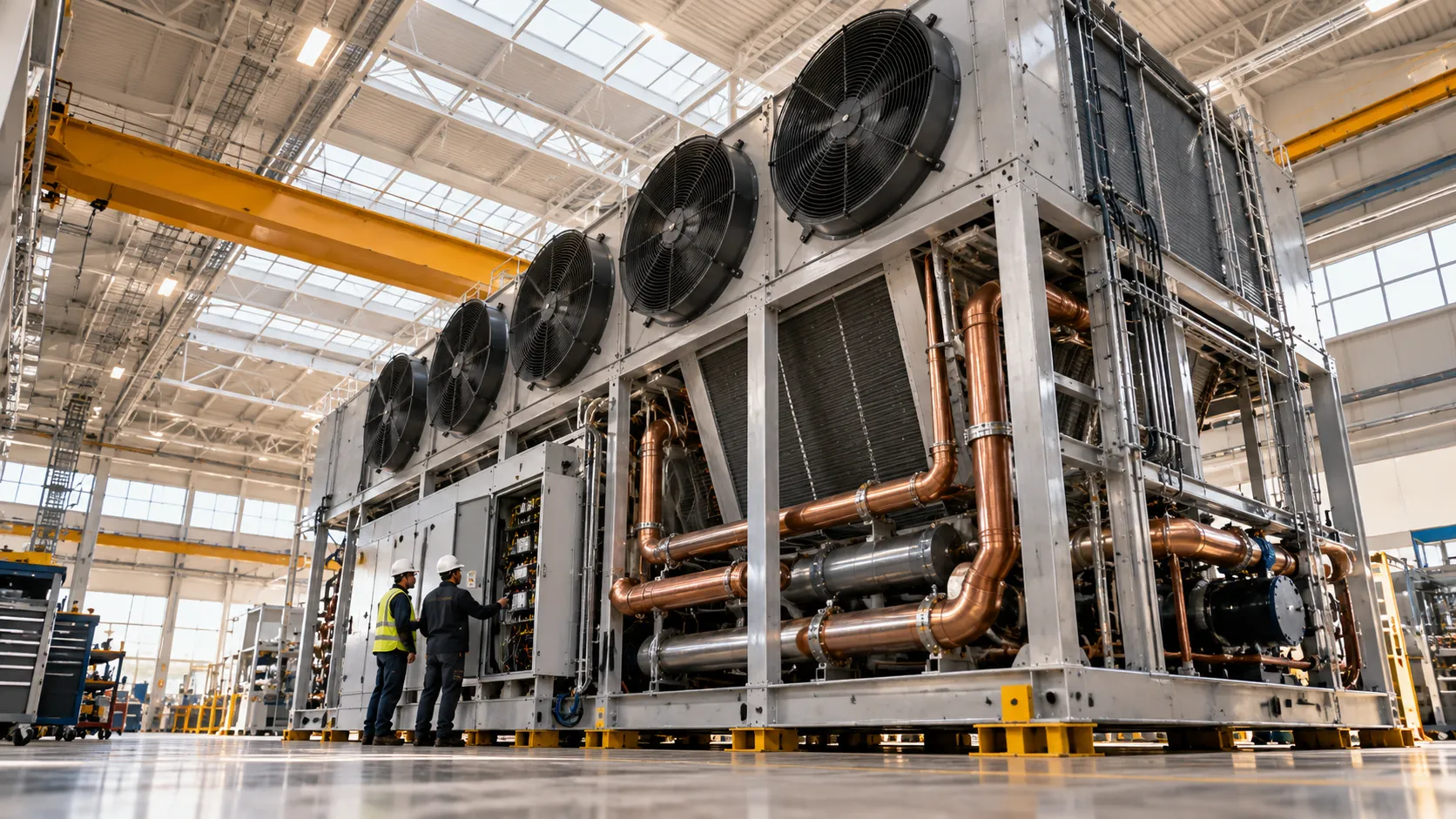
Workers inspecting a large custom industrial cooling unit in a high-bay manufacturing plant

Manufacturing · Engineered-to-order HVAC cooling manufacturer · 16 countries

16countries on one global template

A greenfield SAP S/4HANA template rolled out by region across 16 countries, with engineered-to-order quoting in SAP CPQ.

Read the full story
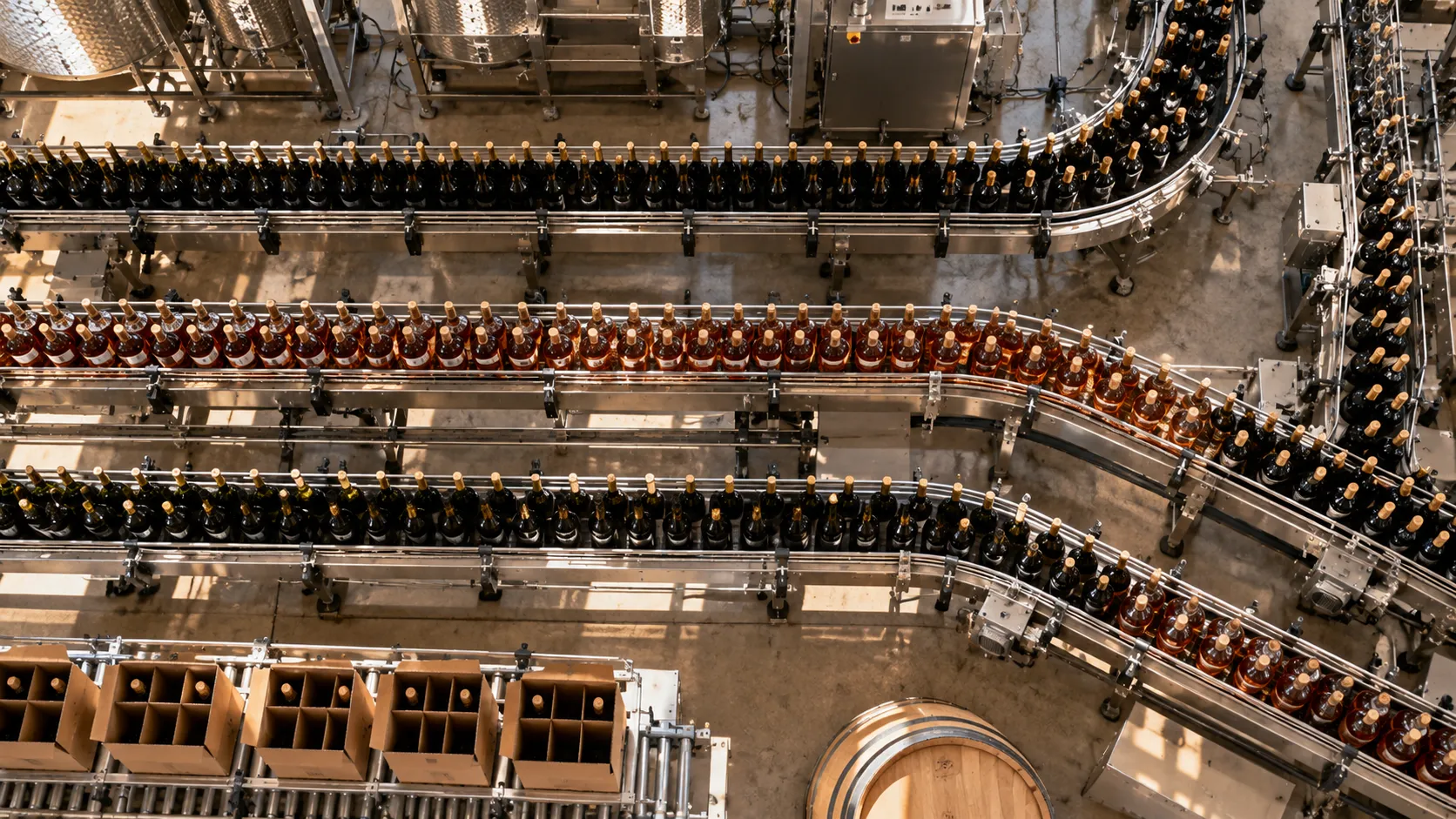
Overhead view of wine and spirits bottles moving along parallel conveyors in a bottling hall

Consumer packaged goods · Family-owned wine and spirits producer · United States

98.4%fewer overdue MRP supply elements

Existing SAP capabilities activated and tuned, with 98.4% fewer overdue MRP items and 2.9 million feet of picking travel removed.

Read the full story

Warehouse lead looking down an aisle of pallet racking as a forklift stores goods in a distribution center

Manufacturing · Consumer products manufacturer · US and Canada

75%fewer customer master records

A greenfield SAP S/4HANA 2021 on AWS, with customer records cut from 30,000 to 7,500 and stock allocation automated.

Read the full story
echnician testing data storage hardware on a modern electronics manufacturing floor

High-tech · Data storage hardware manufacturer · Global

68person-days saved per release
What we hear

What makes SAP different in manufacturing

  • Planning that keeps up

    MRP runs that finish in time, with capacity and supply changes reflected the same day.

  • Shop floor and ERP in sync

    Production orders, confirmations and quality results moving between SAP and MES without rekeying.

  • Variants and engineering changes

    Configurable products and engineering changes that often live in years of custom code.

  • Quality and traceability

    Batches and serial numbers traced from supplier to customer, with inspection results attached.

  • Maintenance and uptime

    Maintenance orders, spare parts and downtime visible in the same system as production.

  • Costs you can trust

    Product costs by plant and inventory valued the same way at every site.

Key questions

What manufacturing leaders ask us about SAP

  • What changes for production planning in S/4HANA?

    Planning runs faster and closer to real time. MRP Live runs in the database, so planners can rerun it during the working day, and detailed scheduling can run inside S/4HANA. Costing changes too: the Material Ledger is standard in S/4HANA, so inventory is valued consistently across plants. Phase 0 shows what this means for your own planning setup.

    About Phase 0

  • How do we move to S/4HANA without stopping the plants?

    Work back from your production calendar. TSP sets cutover for a planned shutdown or your lowest-volume weeks, runs rehearsed mock conversions well before them, and tests with real production orders, confirmations and quality results. Where plants differ a lot, a selective approach can move them in stages. Every plan includes a tested way back.

    How a TSP migration runs

  • Can our custom production and variant configuration code move?

    Most of it can move, and some of it is worth retiring. A Phase 0 assessment reads your system’s production, quality, maintenance and warehouse customizations, and shows which ones S/4HANA now covers as standard, which to simplify, and which to rebuild. Configuration models get the same review, so you know the scope before you sign.

    About Phase 0

  • Where does AI help in manufacturing operations today?

    Start with the data and paperwork around the plants. Agents find and retire duplicate materials that confuse planning, chase suppliers on late purchase orders, handle material intake and rotable refurbishment paperwork, and take on month-end reconciliations. Each one works within limits you set, and your team approves the exceptions. A pilot goes live in 6 to 8 weeks.

    Agentic automation

  • Do we have to move off SAP ECC by 2027?

    SAP’s mainstream maintenance for ECC ends at the end of 2027, and extended maintenance to 2030 costs extra. A manufacturing migration usually takes more than a year once planning, testing and plant schedules are included, so decisions made now decide when your cutover can land. Phase 0 gives you a timeline that fits both.

    Read: Your ECC options

FAQ

Questions about Manufacturing

Straight answers to what SAP leaders ask us most.

Talk to an SAP expert

Does TSP work with discrete and process manufacturers?

Yes. Manufacturing is one of TSP’s core industries, and our teams work across discrete, make-to-order and process manufacturing. TSP ATLAS, our process intelligence tool, reads production planning, quality, plant maintenance and warehouse processes in your system, so a Phase 0 assessment starts from how your plants actually run.

Is RISE with SAP or SAP GROW the better fit for a manufacturer?

It depends on how far your processes are from standard. Manufacturers with complex production, configurable products or heavy shop-floor integration usually need RISE with SAP and S/4HANA Cloud Private Edition. Those close to standard can move faster on SAP GROW. Phase 0 tests both against your system. See RISE with SAP and SAP GROW.

Will S/4HANA still connect to our MES and shop-floor systems?

Yes, though every interface needs checking. Phase 0 lists the systems connected to SAP today, and the migration plan retests each one, including production confirmations, quality results and maintenance notifications. Interfaces that rely on old custom code are a common place to simplify.

Can testing keep up with our plants after go-live?

Yes. Automated regression tests cover your production, quality and maintenance processes and run before every SAP update, so a change can’t quietly break a plant process. See SAP test automation.

Next step

Talk to us about SAP for manufacturing

Thirty minutes with a senior SAP architect on your plants, your system and your 2027 options. You leave with a clear next step.

A senior SAP architect replies within one business day.

By sending this form, you agree to our Privacy Policy.

What happens next

  1. A 30-minute call with a senior SAP architect
  2. A clear view of your ECC options and timing
  3. If it fits, a Phase 0 assessment scoped to your plants