



Utilties and Power Generation

Industries

SAP Cloud ERP for utilities

Assets that run for decades, bills that must go out on time and regulators watching every dollar all depend on SAP. TSP moves utilities to S/4HANA without putting service or billing at risk, and automates the vendor, asset and finance work around them.

Running SAP utilities billing? What changes in S/4HANA

Utilities run SAP for asset maintenance, work orders, customer billing, capital projects and regulated finance. The Silicon Partners (TSP), an SAP Gold Partner and UiPath Diamond Partner, helps electric, gas and water utilities move from ECC to S/4HANA around their billing cycles and storm season, and automates vendor, asset and month-end work with governed AI agents.

  • 200+S/4HANA engagements
  • 1,000+Professionals
  • 1,200+Intelligent automations

Customer stories

How utilities work with TSP

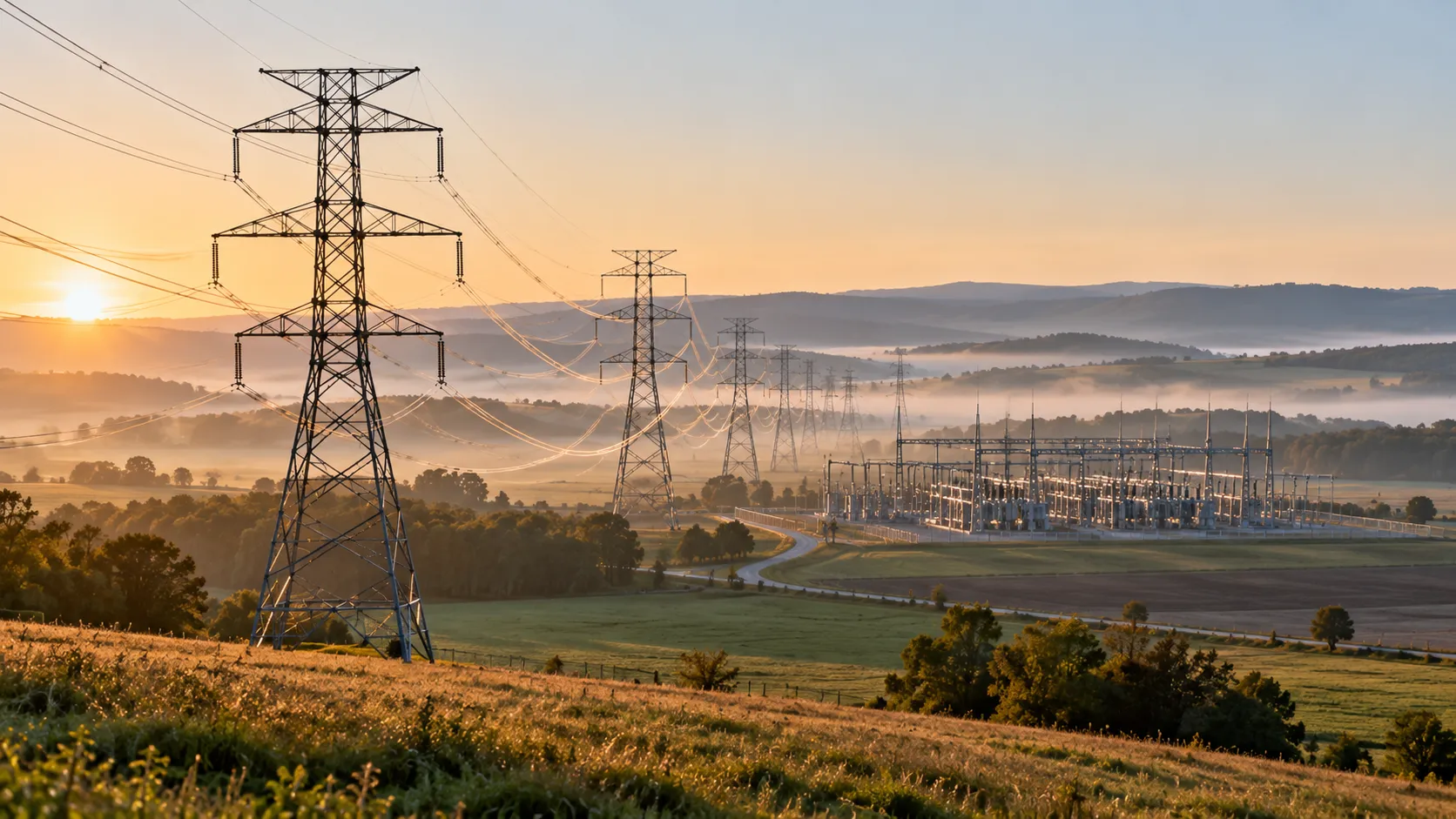
High-voltage transmission towers crossing rolling countryside toward a substation at dawn

Utilities · US energy utility · United States

13,000employees moved to cloud payroll

On-premise SAP payroll moved to Employee Central Payroll using TSP tools, live in December 2021.

Read the full story
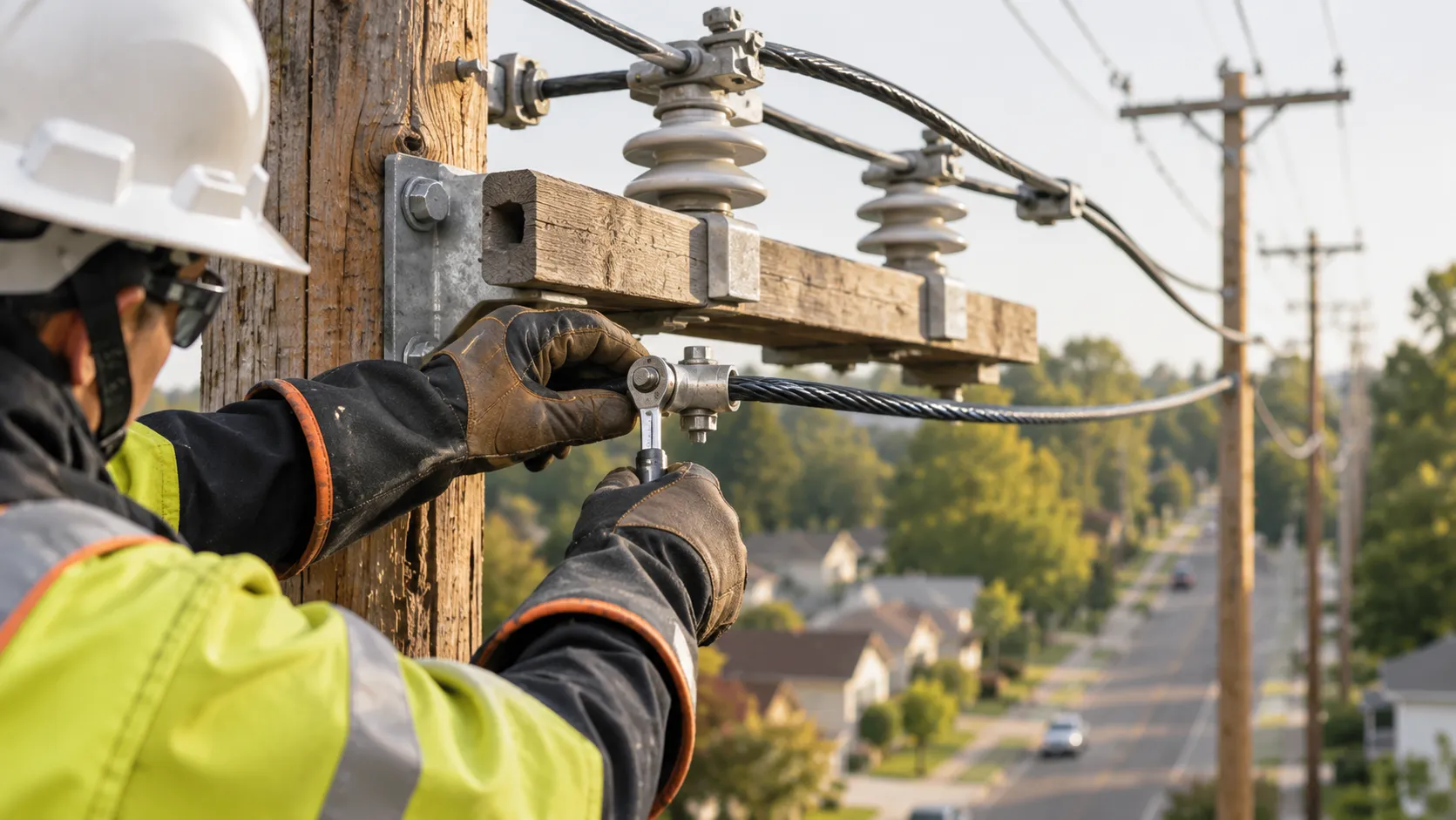
Line worker fastening a connector at the top of a utility pole above a town street

Utilities · Energy infrastructure services provider · US and Canada

A scalable, secure, privately managed SAP cloud with predictable costs.

Read the full story

Field engineer with a tablet walking between rows of solar panels at a renewable energy site

Utilities · Renewable energy provider (wind, solar and storage) · North America

2–3 hoursto run SAP tests, down from 2 weeks

A UiPath test automation framework that took automation from 0% to 90% and test runs from two weeks to 2 to 3 hours.

Read the full story
High-voltage transmission towers crossing rolling countryside toward a substation at dawn

Utilities · US energy utility · United States

13,000employees moved to cloud payroll

What we hear

What makes SAP different in utilities

  • Assets that last decades

    Poles, pipes, substations and plants maintained for decades, with every work order on record.

  • Billing that can’t slip

    Customer bills that must go out on schedule, accurately, through every system change.

  • Regulated finance

    Capital projects, regulatory accounting and reporting that regulators review line by line.

  • Field work and contractors

    Crews, contractors and spare parts coordinated across a wide service area.

  • Connected systems

    Meter data, GIS, outage and customer systems that all exchange data with SAP.

  • Storms and emergencies

    Emergency purchasing, overtime and mutual aid costs captured fast and accounted for later.

Key questions

What utilities leaders ask us about SAP

  • What happens to our utilities billing in S/4HANA?

    If you run SAP’s utilities billing and customer service (IS-U), it converts to SAP S/4HANA Utilities, which keeps device management, billing and invoicing on the new platform. The connections to meter data, customer portals and payment channels need the most testing. Phase 0 maps your utilities processes, custom code and interfaces, so the scope is clear before you commit.

    About Phase 0

  • How do we migrate without putting service or billing at risk?

    Work back from your billing cycles and storm season. TSP sets cutover for a quiet window, runs rehearsed mock conversions, and compares parallel bill runs between the old and new systems before anything goes live. Work orders, outage processes and payments are tested end to end, and every plan includes a tested way back.

    How a TSP migration runs

  • How does S/4HANA support asset management and field work?

    Maintenance plans, work orders, spare parts and asset history sit in one system, connected to finance, so the cost of keeping each asset running is clear. Crews can work orders from mobile apps in the field. Phase 0 reviews your maintenance setup and custom code, so you know what carries over and what simplifies.

  • Where does AI help utilities today?

    In the high-volume back office: contractor and vendor invoices, vendor onboarding, material intake for spare parts, and month-end reconciliations. Agents also clean up duplicate materials and asset records. Every action is logged with its reasoning, and people approve anything above the limits you set, which suits a regulated business. A pilot goes live in 6 to 8 weeks.

    Agentic automation

  • Do we have to move off SAP ECC by 2027?

    SAP’s mainstream maintenance for ECC ends at the end of 2027, and extended maintenance to 2030 costs extra. Utility programs also have to fit budget and regulatory approval cycles, so decisions made now decide when your cutover can land. Phase 0 gives you a timeline and a business case that fit both.

    Read: Your ECC options

FAQ

Questions about Utilities

Straight answers to what SAP leaders ask us most.

Talk to an SAP expert

Is RISE with SAP or SAP GROW the better fit for a utility?

Utilities that run SAP’s utilities billing usually choose RISE with SAP and S/4HANA Cloud Private Edition, where those industry functions are available. Businesses without utilities billing may fit SAP GROW. Phase 0 tests the options against your system. See RISE with SAP.

Will our meter data, GIS and outage systems still connect?

Yes, once each interface is retested. Phase 0 lists every system connected to SAP, and the migration plan tests each connection, including meter reads into billing, work orders from outage events and asset data from GIS.

Can TSP support our SAP system after go-live?

Yes. TSP’s application management covers support, enhancements and testing for each SAP update, so your team can focus on running the utility. See SAP AMS.

Next step

Talk to us about SAP for utilities

Thirty minutes with a senior SAP architect on your system, your billing calendar and your 2027 options. You leave with a clear next step.

A senior SAP architect replies within one business day.

By sending this form, you agree to our Privacy Policy.

What happens next

  1. A 30-minute call with a senior SAP architect
  2. A clear view of your ECC options and timing
  3. If it fits, a Phase 0 assessment scoped to your utility